About the practice — New Smyrna Beach, FL

Nothing Leaves Our Desk Until Someone Has Read It Without the Source.

Nakamura & Voss is small on purpose. Three languages, three kinds of document, and one stubborn conviction: a translation isn’t finished when it’s accurate. It’s finished when a reader in Japan or Germany — no English beside them — can’t tell it was ever translated.

Everything about how we work hangs off that last, cold read. This page explains why — and names the work we turn down because of it.

01 — The Claims

We Wrote Our Beliefs Down the Way We Write Your Claims.

A manifesto is easy to fudge. A claim set isn’t: every word widens or narrows what you’ve promised, and a dependent claim can never outrun the one it hangs from. So here are ours, in the form we know best. Hold us to the literal text.

Read claim 1 first. Everything after it depends on it — exactly how a claim set should behave, and exactly how this studio does.

What is claimed is:

Sheet 1 of 1
  1. Independent

    A translation practice for mid-size manufacturers, comprising:

    • a terminology glossary owned by the client and agreed before any sentence is translated;
    • a translator working in one language pair and one engineering field; and
    • an independent editor reading every segment against the source.
  2. Depends on 1

    The practice of claim 1, wherein no patent claim, device label or regulatory sentence ever passes through machine translation.

  3. Depends on 1

    The practice of claim 1, wherein the finished text is read in Japan or Germany by a reviewer working in the client’s field, with no source document in sight.

  4. Depends on 3

    The practice of claim 3, wherein any sentence that only makes sense to someone who saw the English is rewritten — not defended.

  5. Depends on 1

    The practice of claim 1, wherein the client receives the price in writing before work begins, and hears “no” on day one when a deadline can’t be met well.

  6. Depends on any preceding

    The practice of any preceding claim, wherein work is declined in any language the practice cannot have reviewed in-country.

02 — The Two Desks

Two Names on the Door. Each One Owns a Language.

No bench of generalists flipping between whatever lands in the inbox. Japanese goes to one desk, German to the other — and English is the common ground both of them have to defend in front of an examiner.

The Nakamura Desk

Japanese claims routinely leave the subject unstated and let a single sentence run a whole paragraph. This desk spends its days putting subjects back, breaking sentences where an examiner needs them broken, and deciding — every single time — whether 前記 becomes “said,” “the,” or nothing at all.

  • Patent specifications & claim sets for the USPTO and JPO
  • PMDA regulatory submissions
  • 取扱説明書 — operating manuals and safety labels
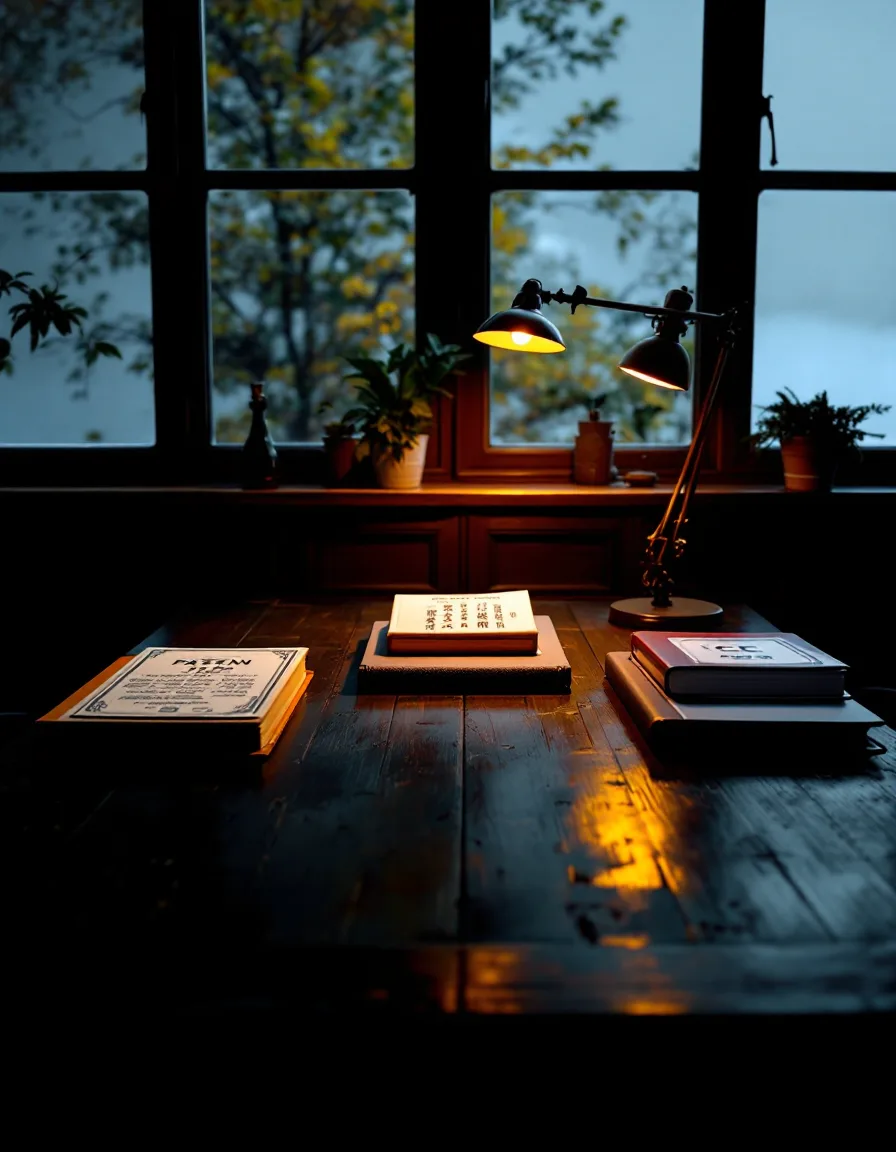
Two facing desks at dusk — Japanese patent pages on one, a German technical file on the other, a single shared binder between them under copper lamplight.
Fig. 2 — Two desks, one binder between them.
The binder in the middle — your glossary
Sample glossary entries in Japanese, English and German
JAENDE
係止部材locking memberVerriegelungs­element
筐体housingGehäuse
付勢部材biasing memberVorspann­element

If the JA desk writes “locking member,” the DE desk may not write “latch.” Whoever wants a term changed argues for it in front of you — not quietly on page 212.

The Voss Desk

German stacks meaning four nouns deep and parks the verb exactly where English readers stop looking. This desk unstacks it into English a US examiner can parse — and builds German that a notified body won’t send back with questions.

  • EPO-bound claims — “characterised in that,” done right
  • Konformitätserklärungen & technical files
  • Firmware, HMI and error strings that fit the display
03 — Why a Beach Town

Florida Isn’t an Accident. It’s the Middle of the Relay.

Put a translation studio on the US East Coast and something useful happens: reviewers in Japan work through our night, reviewers in Germany work through our early morning, and your file almost never sits still. Here’s a weekday, drawn on New Smyrna Beach time.

A 24-hour day in Eastern Daylight Time. Tokyo reviewers work 8 pm to 5 am. German reviewers work 3 am to noon. Our New Smyrna Beach desk is open 10 am to 5 pm.

Right now it’s 8:52 am in New Smyrna Beach. Awake and reading: the German reviewers.

  1. 5 pm

    We close the day

    Edited segments go out east with translator’s notes attached — every open question written down, not remembered.

  2. 8 pm – 5 am

    Tokyo reads cold

    The Japanese text gets read with the English stripped out. Anything that only works in translation gets flagged.

  3. 3 am – noon

    Germany reads cold

    Same treatment for German — and the German day overlaps our morning, so questions get answered live.

  4. 10 am

    We open to both sets of flags

    Both reviews are waiting when the door opens. Fixes go in before lunch; your deadline doesn’t lose a night.

Drawn in Eastern Daylight Time. Europe and the US change their clocks on different weekends, so twice a year the overlap slides by an hour — your schedule is planned around that, not surprised by it.

04 — Fit

Who Should Hire Us. And Who Honestly Shouldn’t.

A narrow practice is only useful if it says out loud where it’s narrow. Read both columns before you call — it’ll save us both twenty minutes.

Signs we’re the right translation partner, and signs we aren’t
Ring us if…Ring someone else if…
A claim set has to survive the USPTO, EPO or JPO in a language your counsel doesn’t read. You need a brochure in twelve languages by Friday.
Your declaration of conformity has to match the technical file word for word. The lowest per-word rate is the deciding factor.
Your firmware strings must fit a 20-character display and still mean something to an operator. You need Korean, Chinese or French. We’ll tell you so on the first call.
You want a glossary you own outright — not one locked inside a vendor’s portal. You’d rather not answer terminology questions. We will have several.
You’d rather hear “that deadline is too tight” on day one than on day eight. Nobody will ever check the translation. Honestly — use a machine.
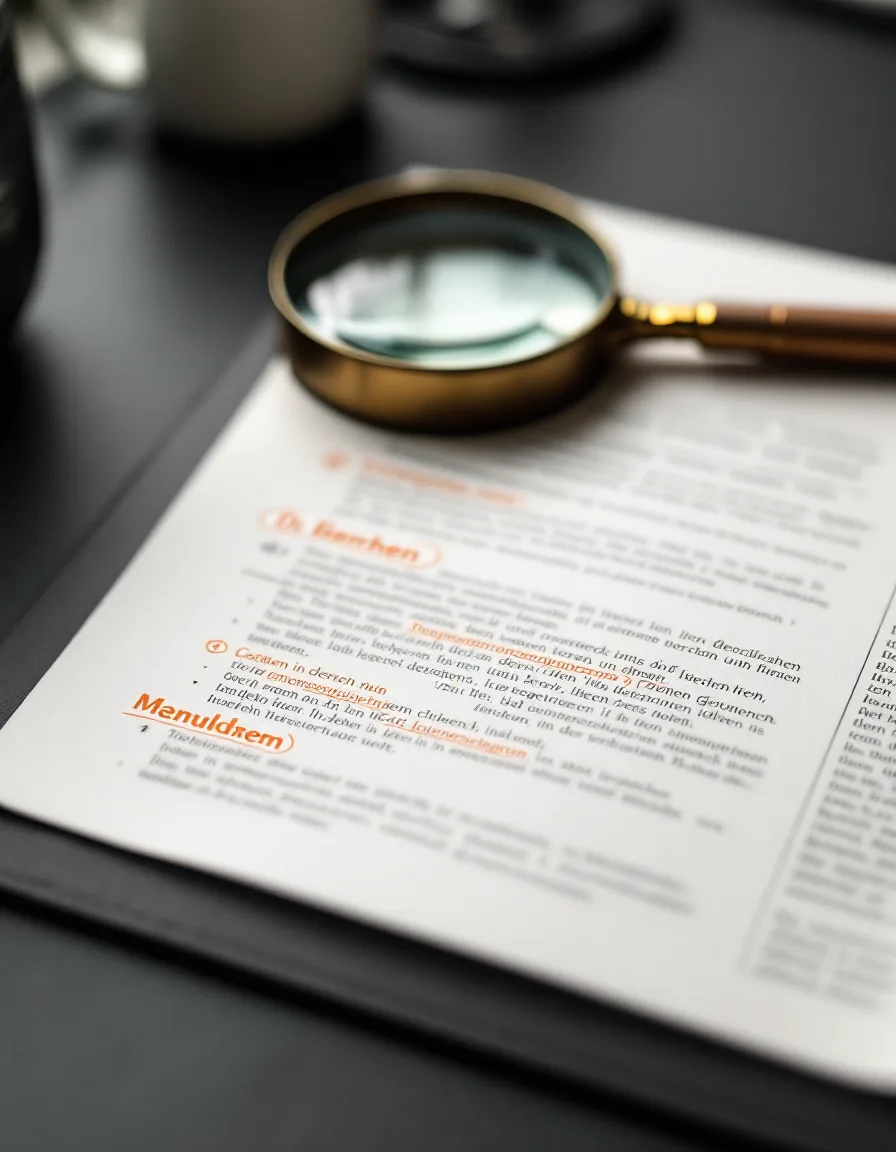
A German technical page with copper pencil notes circling compound nouns in the margin, a brass loupe resting on the paper.
Fig. 3 — Margins are where the arguments happen. You get to read every one.
Routing slip — open a project

Call the Desk That Will Actually Do the Work.

No intake portal, no account manager in between. Tell us the language pair, the document and the date it has to be filed — you’ll hear on the same call whether we’re the right people for it.

(203) 996-7740
Desk hours · Eastern
Opening hours
Mon–Fri10am–5pm
Sat–SunEmail only — answered Monday
1308 Magnolia St New Smyrna Beach, FL 32168 Find 1308 Magnolia on the map →

Dropping by in person? Call first, so the desk handling your language is in the room when you arrive.

contact@nakamuravoss.com
(203) 996-7740 Mon–Fri 10–5